Buying Amazon Reviews: The Cheapest Shortcut to Expose Your Entire Business
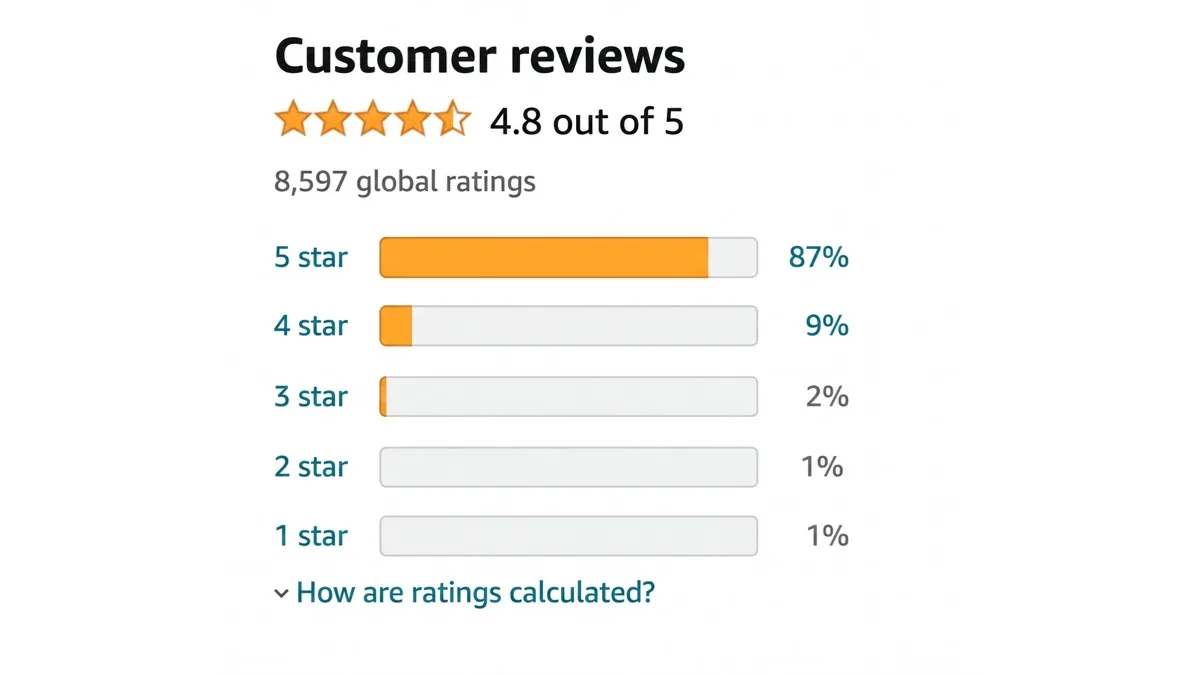
When someone offers you a cheap “Amazon review,” the math looks simple:
You pay a small amount, get a star rating or comment, and the transaction is over.
But that is not what you are actually buying.
You are not buying just one review.
You are connecting your ASIN and your account to a network of people, accounts, conversations and payments that you do not know and cannot control.
There may be dozens or hundreds of products inside the same group.
The broker may reuse the same buyers for different sellers.
There may be screenshots, order IDs, reimbursement instructions, payment addresses, Google files, Telegram, WhatsApp or Facebook chats.
You see only one result on your listing.
The network sees everything.
That is why the real price of a Fake Reviews service is not “€5 per review.”
The real price is the amount of trust you hand to an unknown party when you allow them to place your product inside a shared evidence structure with other sellers.
Amazon’s Current Rules Are Clearer Than Many Sellers Think
Amazon’s current Community Guidelines state that a customer is not allowed to:
“Create, edit, or remove a review in exchange for compensation”.
Amazon includes payments, refunds, discounts, products, gift cards, warranties and services within the meaning of compensation.
It also states that influencing reviews through compensation using any channel, including social media, violates the guidelines.
Amazon’s seller rules also explicitly reference services that sell customer reviews, websites and social media groups, refunds or reimbursements provided after a buyer writes a review, and third-party services offering free or discounted products linked to reviews.
Sellers are also prohibited from reviewing their own products or competitors’ products.
[Amazon Seller policy reference]
The most important point is not simply that “buying reviews is prohibited.”
Amazon reminded sellers in an update to its Seller Code of Conduct that they are responsible for actions taken through their accounts even when those actions are performed by a third-party service provider.
In other words:
“The provider did it. I didn’t know the details.”
is not a comfortable foundation for managing this risk.
You Do Not Know Who Is on the Other Side of the “Service”
Fake-review networks operate outside the platform with varying levels of organization.
Amazon says brokers recruit people through websites, social media and encrypted messaging, offering money, products or reimbursements.
In the Extreme Rebate case, Amazon said the service offered free products and payments of up to $4 for certain five-star reviews.
Amazon filed lawsuits in the United States and Germany seeking to stop the operation and obtain information about who had used the service.
That point alone changes the entire risk model.
If the platform sues the broker or obtains its data, the question is no longer simply:
“Will the algorithm detect this review?”
The question can become:
“Who bought this service, and which ASINs are connected to it?”
Network Risk: How Another Seller Can Become Your Problem
Imagine a group containing sellers, participants and hundreds of products.
One seller fails to send a reimbursement to a participant.
A dispute starts.
The angry participant does not need to prepare a perfectly organized report about one seller only.
They may keep the entire conversation, export it, take screenshots or send information from the group to Amazon, a regulator, a lawyer or a journalist.
That is where the problem appears.
If your ASIN shows up inside those records next to explicit instructions, payments, conversations or conditions connected to reviews, what you believed was an “independent and private service” can become direct evidence that requires you to explain how your product and account became connected to it.
This is the risk the “cheap reviews” advertisement does not mention.
You are relying on the future behavior of everyone inside the network — not just the service provider.
One dispute, one former employee, one angry participant or one lawsuit against the broker can expose data you did not even know was being stored.
What Penalties Are Supported by the Sources?
At the community-account level, Amazon’s Community Guidelines mention removal of content, restrictions on the ability to use community features, suspension or termination of accounts and, in some cases, withholding payments, as well as potential legal action where laws are violated.
At the seller-policy level, Amazon policy posts reference actions that may include removing associated reviews, preventing certain products from receiving future reviews, permanent delisting and account-level actions depending on the circumstances.
Why Can the Cheapest Service Become the Most Expensive Risk?
A low-cost provider needs scale.
Economically, one of the easiest ways to reduce the cost of a “review” is to reuse the same infrastructure:
WhatsApp or Telegram groups, the same buyers, repeated forms, shared payment records, and many products and sellers inside the same environment.
That is where the low price itself becomes part of the problem.
The more the service depends on a large shared network, the more people, data and events exist outside your control.
If You Are Thinking About Buying Reviews, What Is the Real Commercial Alternative?
Amazon Vine can be used when the eligibility requirements are met.
Sellers can also request reviews neutrally from customers through Amazon’s permitted tools and improve their products and listings based on legitimate feedback.
Product testing or market research can also be conducted completely separately from any requirement to publish an Amazon review.
The fundamental difference is separating:
“Paying for research or testing”
from:
“Paying for a public opinion on Amazon.”
The first can be structured as genuine market research.
The second is exactly the area platform policies and regulators focus on.
Conclusion: You Are Not Buying a Review — You Are Renting a Network You Cannot Shut Down
A fake review can look cheap because the unit price is small.
But if the service provider stores your name, ASIN, conversations or payments, or connects you to buyers who work with dozens of other sellers, your transaction is not isolated.
It is a node in a network.
And networks have one unpleasant characteristic for sellers who want secrecy:
When one node collapses, it can expose others.
The amount you paid for the review may be small.
The risk you bought with it is not.
FAQ
Is buying Amazon reviews against Amazon policy?
Yes, when compensation or another incentive is tied to the review, or when a seller uses a service that sells reviews or provides a refund or reimbursement connected to a review. Amazon’s current policies explicitly reference these forms of manipulation.
Can another seller’s problem inside the same group expose my product?
Yes. This is a possible risk in shared networks. If conversations or records from an entire group are exposed because of a dispute involving another seller, products and accounts that were not part of the original dispute may also appear.